10 Pros And Cons Of Living In Tokyo, Japan
Introduction:
Tokyo, the capital city of Japan, is a bustling metropolis renowned for its unique blend of traditional and modern attractions. Known for its technological advancements, rich cultural heritage, and vibrant lifestyle, Tokyo has become a magnet for people from around the world. However, like any city, it has its advantages and disadvantages. In this blog post, we will explore 10 pros and 10 cons of living in Tokyo, Japan.
Pros:
-
Cutting-Edge Technology:
Tokyo is a global hub of technological innovation, offering access to the latest advancements in various fields. From high-speed internet connectivity to state-of-the-art gadgets, living in Tokyo means being at the forefront of technological progress.
-
Safety and Security:
Tokyo consistently ranks as one of the safest cities in the world. The low crime rate and efficient public safety measures contribute to a sense of security, allowing residents to move around the city with peace of mind.
-
Efficient Public Transportation:
Tokyo’s public transportation system is renowned for its efficiency, punctuality, and extensive coverage. The extensive network of trains, subways, and buses makes it easy to navigate the city and access its various neighborhoods.
-
Culinary Delights:
Tokyo is a food lover’s paradise, offering a diverse range of culinary experiences. From world-class sushi and ramen to Michelin-starred restaurants and traditional izakayas, Tokyo’s dining scene is a delightful journey for the taste buds.
-
Cultural Richness:
With its rich cultural heritage, Tokyo offers a multitude of traditional and modern experiences. From historic temples and shrines to contemporary art galleries and fashion districts, residents can immerse themselves in the unique fusion of old and new.
-
Excellent Healthcare:
Japan is known for its top-notch healthcare system, and Tokyo is no exception. The city is home to advanced medical facilities and highly trained healthcare professionals, ensuring access to quality healthcare services.
-
Convenience and Infrastructure:
Tokyo is known for its unparalleled convenience and efficient infrastructure. From 24-hour convenience stores and vending machines to well-maintained public spaces and reliable utilities, residents enjoy a high level of convenience and comfort.
-
Shopping Paradise:
Tokyo is a shopper’s paradise, with a plethora of shopping districts catering to every taste and budget. From luxury brand boutiques in Ginza to quirky fashion in Harajuku and electronic gadgets in Akihabara, residents have access to a world of retail therapy.
-
Vibrant Entertainment:
Tokyo offers a vibrant entertainment scene with a plethora of options. From traditional kabuki and sumo wrestling to live music concerts and trendy nightclubs, there is always something to suit every interest and preference.
-
Beautiful Parks and Gardens:
Despite being a bustling metropolis, Tokyo is home to numerous parks and gardens that provide tranquil retreats from the city’s fast pace. Places like Shinjuku Gyoen and Ueno Park offer residents a chance to relax, enjoy nature, and escape the urban hustle.
Cons:
-
Cost of Living:
Living in Tokyo can be expensive, with high costs associated with accommodation, dining, and entertainment. Housing prices, in particular, can be exorbitant, and smaller living spaces are common.
-
Overcrowding and Limited Space:
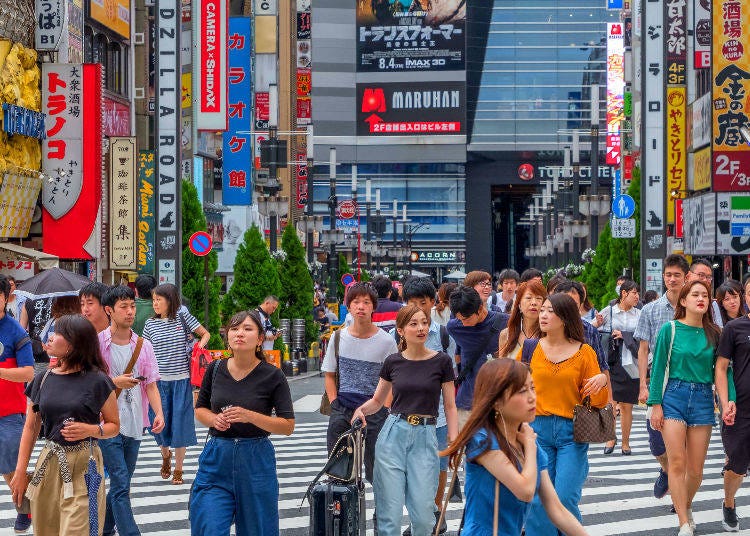
Tokyo is densely populated, and limited space can result in crowded public transport, busy streets, and a lack of personal space. Additionally, finding affordable and spacious housing can be a challenge, especially in central areas.
-
Language Barrier:
While English is becoming more prevalent in Tokyo, the primary language spoken is Japanese. For non-Japanese speakers, the language barrier can pose challenges in everyday interactions, making it important to learn basic Japanese phrases.
-
Work Culture:
Tokyo has a reputation for its demanding work culture, characterized by long working hours and a strong emphasis on dedication and commitment. The intense nature of the work environment can lead to high levels of stress and limited work-life balance for some individuals.
-
Earthquakes and Natural Disasters:
Japan, including Tokyo, is prone to earthquakes and other natural disasters. While the country has stringent building codes and robust disaster preparedness measures, the risk of earthquakes and their potential impact on daily life is a consideration for residents.
-
Air Pollution:
Despite its reputation for cleanliness, Tokyo experiences periods of air pollution, primarily due to its high population density and industrial activities. This can have implications for individuals with respiratory conditions or those sensitive to air quality.
-
Limited Green Spaces:
While Tokyo does offer some beautiful parks and gardens, the city is known for its concrete jungle aesthetic. The availability of green spaces and nature reserves within the city can be limited, requiring residents to seek out recreational opportunities outside the urban areas.
-
Complex Rental Process:
Renting an apartment in Tokyo can be a complex process, with requirements such as guarantors, key money, and extensive paperwork. Additionally, non-Japanese residents may face additional challenges due to language barriers and cultural differences.
-
Cultural Adjustment:
Living in a foreign country with a different cultural and social context can pose challenges for some individuals. Adapting to Japanese customs, norms, and social etiquette may require time and effort, particularly for those unfamiliar with Japanese culture.
-
Commute Times:
Tokyo’s size and population density can result in longer commute times, especially for individuals residing in the suburbs and working in central areas. Crowded trains during rush hours can make daily commutes uncomfortable and time-consuming.
Conclusion:
Living in Tokyo offers numerous advantages, such as access to cutting-edge technology, safety, efficient public transportation, and a vibrant cultural scene. However, it also presents challenges, including a high cost of living, limited space, language barriers, and a demanding work culture. Prospective residents should carefully consider their priorities, adaptability, and preferences before deciding to make Tokyo their home. With the right mindset and preparation, Tokyo can be an exciting and fulfilling place to live, offering a unique blend of tradition, innovation, and vibrant urban life.