Pros and Cons of Living in Austria: Complete 2026 Guide
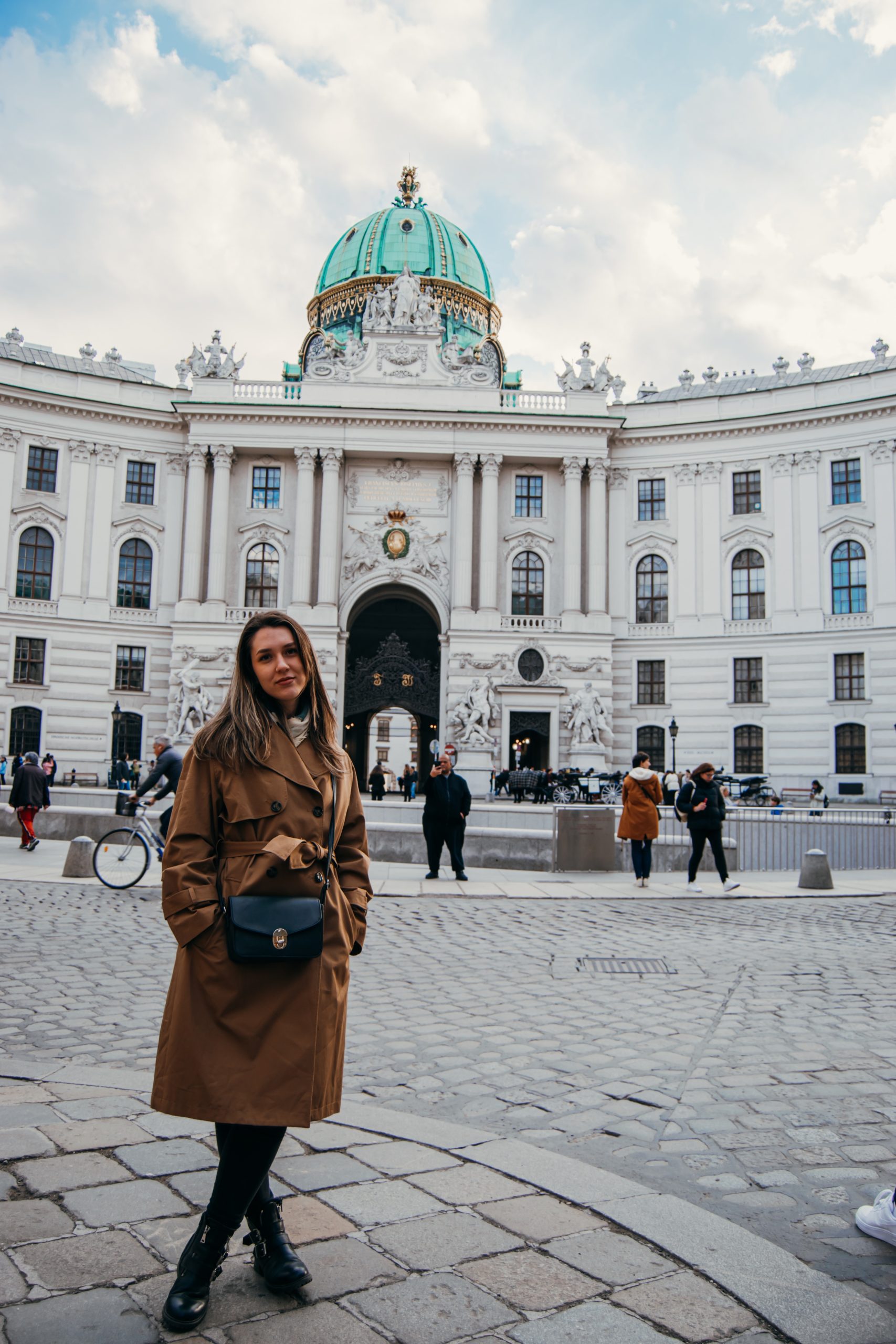
Last Updated: December 2025 | Reading Time: 12 minutes
Introduction
What are the pros and cons of living in Austria? Austria consistently ranks among the world’s best countries for quality of life, but is it the right destination for you? This comprehensive guide explores the real advantages and challenges of living in Austria, from Vienna’s imperial grandeur to the Alpine villages, based on experiences from expats, official statistics, and local insights.
Whether you’re considering a move for work, studies, or retirement, understanding both the benefits and potential drawbacks will help you make an informed decision about relocating to this Central European nation.
The Pros of Living in Austria
1. World-Class Quality of Life
Vienna has been named the world’s most liveable city multiple times by the Economist Intelligence Unit. Austria’s high living standards stem from several factors:
- Excellent public services: Well-maintained infrastructure, reliable utilities, and efficient government services
- Work-life balance: The legal maximum is 48 hours per week, but most Austrians work 40 hours, with many offices allowing employees to leave at 3 PM on Fridays
- Strong social welfare system: Comprehensive support for families, unemployment benefits, and pension systems
- Human rights emphasis: Particularly strong protections for women’s rights and freedom of thought
According to recent surveys, 80% of expats report their work-life balance improved after moving to Austria.
2. Outstanding Healthcare System
Austria’s healthcare system ranks among the best globally according to the WHO. Key features include:
- Universal coverage: Health insurance is mandatory and covers everyone, whether employed, self-employed, unemployed, or pensioned
- Hausarzt system: Your primary care doctor performs blood tests and basic procedures in-office, with annual check-ups encouraged
- Accessible care: Public healthcare is comprehensive, though specialists may have waiting times of several months
- Private options available: Affordable supplementary insurance for faster access to specialists
Average cost of private health insurance: €220 per month, varying by plan.
3. Exceptional Public Transportation
Austria boasts one of Europe’s best public transport systems relative to its population:
- Efficient urban networks: Vienna’s U-Bahn (subway), Straßenbahn (tram), and bus systems are fast, clean, safe, and punctual
- Comprehensive coverage: ÖBB trains connect major cities quickly, while Postbus serves smaller towns
- Affordable pricing: Monthly passes around €51, one-way tickets €2.50
- Well-maintained: Modern, accessible vehicles with real-time updates
The system significantly reduces the need for private vehicle ownership, especially in cities.
4. Rich Cultural Heritage and Arts Scene
Austria’s cultural offerings are unmatched for a country of its size:
- Classical music legacy: Home to Mozart, Schubert, Johann Strauss II, Gustav Mahler, and more
- World-class performances: Renowned orchestras, opera houses (including the Vienna State Opera), theaters, and concert halls
- Museums and galleries: From the Kunsthistorisches Museum to contemporary galleries
- Historic architecture: Imperial palaces, Gothic cathedrals, and Baroque buildings
- Coffeehouse culture: Traditional Viennese coffeehouses recognized by UNESCO as Intangible Cultural Heritage
5. Safety and Low Crime Rates
Austria consistently ranks as one of the world’s safest countries:
- Low violent crime: Assault, robbery, and car theft rates are among the lowest in the developed world
- Safe public spaces: Walking alone at night, even in forests and remote areas, is generally safe
- Reliable emergency services: Well-organized police, fire, and medical response
- Political stability: Established democratic institutions and rule of law
6. Natural Beauty and Outdoor Recreation
Austria’s location in the Alps provides exceptional outdoor opportunities:
- Skiing and snowboarding: World-class resorts throughout Tyrol, Salzburg, and Vorarlberg
- Hiking and mountain climbing: Extensive trail networks through forests and mountains
- Lakes and thermal baths: Swimming, water sports, and wellness facilities
- Green urban spaces: Cities like Vienna have abundant parks and recreational areas
- Easy access: Most natural areas are accessible via public transport
The Eisriesenwelt near Salzburg is the world’s largest ice cave, stretching 42 kilometers into the mountain.
7. Strategic Central European Location
Austria’s position makes travel throughout Europe convenient:
- Borders eight countries: Germany, Czech Republic, Slovakia, Hungary, Slovenia, Italy, Switzerland, and Liechtenstein
- Excellent rail connections: High-speed trains to major European cities
- Vienna International Airport: Major hub with connections worldwide
- Weekend getaways: Easy access to Prague, Budapest, Munich, Venice, and more
8. High Educational Standards
Austria offers quality education from preschool through university:
- Free public education: No tuition at public universities, even for international students in many cases
- International schools: Wide selection of schools teaching in English and other languages
- Vocational training: Strong apprenticeship programs alongside academic tracks
- Language education: Over half of students learn multiple languages besides German
- Top institutions: The University of Vienna ranks among the world’s top 150 universities
9. Food and Culinary Culture
Austrian cuisine offers comfort and variety:
- Traditional dishes: Wiener Schnitzel, Sachertorte, Apfelstrudel, Kaiserschmarrn
- Coffeehouse tradition: Elegant establishments serving excellent coffee and pastries
- Beer culture: Home to Europe’s highest concentration of breweries, with traditions dating to the 14th century
- Wine regions: Excellent wines, particularly from Wachau, Burgenland, and Styria
- Local markets: Fresh produce, meats, and dairy at markets like Vienna’s Naschmarkt
- Wirtshaus culture: Traditional inns serving hearty local food
10. Multilingual Environment
Despite German being the official language, English is widely spoken:
- 73% English proficiency: Nearly three-quarters of Austrians speak English
- International business: English commonly used in multinational companies
- Helpful locals: Especially in cities, many people can assist in English
- University courses: Many graduate programs offered in English
However, learning German (particularly Austrian German with its regional dialects) significantly improves integration and job prospects.
The Cons of Living in Austria
1. High Cost of Living
Austria ranks as the 5th most expensive country in Europe:
Monthly expenses (including rent):
- Family of four: €5,237
- Single person: €1,946
City-specific costs for single person (with rent):
- Salzburg: €2,186 (most expensive)
- Vienna: €2,100
- Graz: €1,805
- Wels: €1,301 (most affordable)
Rent costs:
- 1-bedroom city center: €871/month average
- 1-bedroom outside center: €708/month
- 3-bedroom city center: €1,595/month
- 3-bedroom outside center: €1,241/month
Additional expenses:
- Utilities (85m² apartment): €353/month
- Groceries (single person): €300-400/month
- International school: €11,535/year per child
- Dining out (inexpensive restaurant): €15/meal
Rent increased 6.6% in early 2024 compared to the previous year, with continued growth expected.
2. Language Barrier and Integration Challenges
While English is widely spoken, German proficiency is essential for full integration:
- Job market: Most positions, especially in traditional industries, require fluency in German
- Administrative processes: Government offices, legal documents, and official matters typically conducted in German
- Social integration: Making close Austrian friends is easier when speaking the language
- Austrian German: Differs from standard German with regional dialects varying significantly every 20km
- Rural areas: English less commonly spoken outside major cities
Expats frequently report that Austrians can be reserved and that making local friends is challenging, even for German speakers.
3. Cultural Reserve and “Ausländer” Status
Integration into Austrian society presents social challenges:
- Private culture: Austrians tend to be protective of their personal lives and slow to warm up
- Established social circles: Most locals maintain friendships from school/university, making it hard to break in
- Perpetual foreigner status: Like in Japan, you may always remain an “Ausländer” (foreigner)
- Rural attitudes: In rural areas, even Austrians from 50km away may be considered “Zugreister” (newcomers) after three generations
- Friendship maintenance: Even close friendships tend to fade when circumstances change (jobs, location)
The most common advice from expats: date or marry a local, or focus on building an expat community.
4. Complex Bureaucracy
Austrian administrative processes can be frustratingly slow and complex:
- Paperwork-heavy: Registering for documents, obtaining permits, and dealing with government offices requires patience
- Meldezettel requirement: Must register your address within three days of moving
- Visa processes: Points-based system for work permits can be complicated
- Language requirements: Most official documents and processes are in German only
- Slow response times: Government offices often have long processing periods
- Public servant attitudes: Many expats report unhelpful or disinterested bureaucrats (though experiences vary)
5. Limited Shopping Hours
Austria maintains strict regulations on business hours:
- Sunday closures: Most shops, supermarkets, and retail stores closed on Sundays and public holidays
- Planning required: Grocery shopping must be done during the week or Saturday
- Exceptions limited: Only train station shops, gas stations, and some convenience stores remain open
- 13 public holidays: Additional closure days beyond Sundays
This can be particularly frustrating for those accustomed to 24/7 shopping cultures.
6. Job Market Challenges for Non-German Speakers
Employment opportunities for non-German speakers are limited:
- Language requirements: Most positions require German proficiency
- Competitive market: Even with German skills, competition can be intense
- Recognition of qualifications: Foreign degrees and licenses may need additional exams or certification
- Lower salaries: Compared to Switzerland or parts of Germany, Austrian salaries can be lower
- Limited sectors: Best opportunities in tech, international business, tourism, and academia
- Work visa complexity: Non-EU citizens face significant hurdles obtaining work permits
7. Weather and Climate
Austria’s continental climate isn’t for everyone:
- Cold winters: Long, gray period from October to May with temperatures well below freezing
- Limited daylight: Short winter days can contribute to seasonal affective disorder
- Regional variations: Weather varies significantly across the nine federal states
- Gray periods: Extended stretches of overcast weather, particularly in winter
- Hot but short summers: Pleasant weather primarily June-September
One expat noted: “I get cold when it has below 23°C” – which describes most of the year in Austria.
8. Smoking Culture
Despite health campaigns, smoking remains prevalent:
- Public smoking: Visible in many outdoor areas and designated zones
- Social acceptance: Still socially normalized compared to many Western countries
- Indoor restrictions: Laws have improved, but designated smoking areas still common
9. Dog-Related Issues in Cities
Urban areas, particularly Vienna, have notable dog culture challenges:
- High dog ownership: Astonishing number of dogs kept in city apartments
- Waste management: Significant problem with owners not cleaning up after their dogs
- Dog-friendly spaces: While many establishments welcome dogs, this isn’t always desirable for everyone
10. Subdued Nightlife (Relative to Other Capitals)
Austria’s nightlife is quieter than many expect:
- Classical focus: Strong emphasis on cultural evening activities (opera, concerts, theater)
- Early closing: Many establishments close earlier than in other European capitals
- Limited club scene: Vibrant clubbing culture less prevalent than Berlin, Amsterdam, or London
- Vienna particularly calm: Good for sleep, but can feel boring for those seeking energetic nightlife
11. Political Climate
Austria has faced political controversies:
- FPÖ presence: The far-right Freedom Party (FPÖ) maintains significant support
- Corruption concerns: Corruption index higher than some neighboring countries
- Conservative attitudes: Particularly outside major cities, social attitudes can be traditional
- Racism reports: Some people of color report experiencing discrimination, though experiences vary widely
Cost of Living Breakdown
Comparison with Other Countries
Austria vs. UK (monthly costs including rent):
- Family of four: Austria €5,237 vs. UK €5,338
- Single person: Austria €1,946 vs. UK €2,210
- One-bedroom city center rent: Austria €1,010 vs. UK €1,249
Austria vs. US (monthly costs including rent):
- Family of four: Austria €5,237 vs. US €5,334
- Single person: Austria €1,946 vs. US €1,946
- One-bedroom city center rent: Austria €1,010 vs. US €1,580
Food and Dining Costs
Grocery shopping:
- Single person: €300-400/month
- Couple: €600-800/month
- Family of four: €1,000-1,200/month
Eating out:
- Inexpensive restaurant: €15
- Mid-range three-course (two people): €70
- McDonald’s meal: €10
- Domestic beer (draft): €4.50
- Cappuccino: €3.60
Major supermarkets:
- Spar, Billa (mid-range)
- Hofer (Aldi), Lidl (budget)
- Denn’s Biomarkt, Basic Bio (organic)
Availability note: Limited vegetable variety compared to more multicultural countries; specialty international ingredients expensive.
Transportation Costs
Public transport:
- One-way ticket: €2.50
- Monthly pass: €51
- Taxi starting fare: €5
- Gasoline: €1.59/liter
Vignette system: Annual highway fee more economical than per-use tolls.
Utilities and Services
Monthly costs:
- Basic utilities (85m² apartment): €353
- Internet (60+ Mbps): €33
- Mobile phone plan (10GB+ data): €18
Mobile providers:
- Premium: A1 (€25-40), Magenta (€20-45), Drei (€15-35)
- Budget: bob (€8+), HoT (€10-20)
Childcare Costs
Monthly/yearly expenses:
- Public daycare: €150-400/month
- Private daycare: €8-10/hour
- Preschool (5+): Free in most provinces
- After-school care: €100-300/month
- International primary school: €11,535/year
Income-based subsidies available through the Austrian Family Portal.
Fitness and Recreation
Gym memberships (monthly):
- John Harris Fitness: €109
- Holmes Place: €89
- Das GYM: €35
- McFIT: €29
- Fit Fabrik Plus: €19.90
- Average fitness club: €40
Finding Housing in Austria
Rental Process
- Search platforms:
- Short-term options:
- Cooperative housing:
- Genossenschaftswohnungen (more affordable, but long waiting lists)
Rental Requirements
- Lease length: Typically minimum 3 years
- Deposit: Up to 3 months’ rent
- Commission: 1-2 months’ rent if using agent
- Notice period: Minimum 1 year before early termination
- Documentation: Meldezettel (registration certificate), ID, bank account
Important: Listings show rent plus operating costs separately; utilities like electricity and heating are additional.
Housing crisis note: Over 60% of Vienna residents live in social housing due to affordability challenges. New listings, especially in cities, are taken quickly.
Practical Information for Expats
Visa and Work Permit System
Austria uses a points-based system for work permits. Main categories:
- Red-White-Red Card: For skilled workers, highly qualified workers, graduates, start-up founders
- EU Blue Card: Alternative giving job rights equivalent to Austrian citizens
- Jobseeker Visa: For highly qualified workers only
Requirements typically include:
- Proof of qualification/skills
- Job offer or sufficient funds
- Health insurance
- Clean criminal record
- Registration certificate (Meldezettel)
Best Cities for Different Needs
For quality of life: Vienna (world-renowned livability) For affordability: Wels, Kapfenberg For students: Vienna, Graz, Innsbruck For outdoor enthusiasts: Innsbruck, Salzburg For families: Graz (good schools), smaller towns with lower costs
Integration Tips from Expats
Based on r/Austria discussions and expat forums:
- Learn German early: Even basic German opens doors
- Join expat groups: Strong international community in major cities
- Embrace the culture: Understanding Austrian traditions, coffeehouse culture, and the dialect helps
- Be patient with friendships: It takes time, but Austrians are kind once you break through
- Use the Hausarzt system: Register with a primary care doctor early
- Get comfortable with public transport: It’s worth learning the system
- Accept Sunday closures: Adapt your shopping schedule
- Explore outdoor activities: Skiing, hiking, and being in nature is central to Austrian life
Unique Austrian Facts
- Austria has the world’s oldest national flag, adopted in 1230
- Home to the world’s oldest zoo (Tiergarten Schönbrunn, founded 1752)
- The Eisriesenwelt is the largest ice cave system in the world (42km)
- Europe’s highest concentration of breweries
- Arnold Schwarzenegger is Austrian (from Styria)
Who Should Consider Living in Austria?
Austria is Ideal For:
✅ Outdoor enthusiasts: Skiing, hiking, and mountain sports lovers
✅ Culture seekers: Classical music, arts, and history enthusiasts
✅ Families: Excellent education, safety, and work-life balance
✅ Quality-of-life prioritizers: Those willing to pay more for exceptional public services
✅ Nature lovers: Access to Alps, lakes, forests
✅ Professionals in international companies: Where English is the working language
✅ Retirees: Safe, clean, with excellent healthcare
Austria May Not Suit:
❌ Budget-conscious individuals: High cost of living, especially in cities
❌ Those needing constant social stimulation: Reserved culture, subdued nightlife
❌ People who hate cold weather: Long, gray winters
❌ Those unwilling to learn German: Limited integration and job opportunities
❌ Night owls who need late shopping: Strict Sunday/holiday closures
❌ People of color in conservative areas: Racism concerns, particularly outside major cities
❌ Those seeking bustling nightlife: Not comparable to Berlin, Amsterdam, or London
Final Verdict
Living in Austria offers an exceptional quality of life characterized by safety, excellent public services, cultural richness, and stunning natural beauty. The country’s healthcare, education, transportation, and infrastructure are world-class, and the emphasis on work-life balance is genuine.
However, these advantages come at a cost – literally. Austria is expensive, bureaucratic, and can be socially challenging for foreigners. The language barrier, cultural reserve, and long winters test many expats. Integration requires patience, German language skills, and realistic expectations about making Austrian friends.
For those who value quality over quantity, are willing to invest in learning the language and culture, and can afford the cost of living, Austria can be an outstanding place to call home. The country works best for people who appreciate its specific offerings: outdoor recreation, cultural sophistication, orderliness, and safety.
Ultimately, Austria is not for everyone – and that’s okay. Understanding these pros and cons honestly before making the leap is essential to ensuring your relocation decision aligns with your lifestyle, values, and priorities.
Helpful Resources
Official Information
- Austrian Family Portal – Family benefits and childcare
- ÖBB – Austrian Federal Railways
- Statistik Austria – Official statistics
Housing
- DER STANDARD Immobilien
- Immobilienscout24
- tempoFLAT – Short-term rentals
Cost of Living Data
Expat Communities
- r/Austria – Active Reddit community
- InterNations Austria – Expat networking
Utilities Comparison
- Durchblicker – Compare energy providers
- E-Control – Energy-saving tips
Have you lived in Austria? Share your experiences in the comments below!
Article sources: Numbeo, Statistik.at, WHO, Economist Intelligence Unit, Expatica, r/Austria community discussions, and expat interviews.
Frequently Asked Questions
Is Austria expensive to live in?
Yes, Austria ranks as the 5th most expensive European country. A single person needs approximately €1,946/month including rent, while families of four need around €5,237/month.
Do I need to speak German to live in Austria?
While 73% of Austrians speak English, German proficiency is essential for full integration, most jobs, and navigating bureaucracy. Austrian German differs from standard German.
Is Vienna the most expensive Austrian city?
No, Salzburg is slightly more expensive (€2,186/month for a single person including rent), followed by Vienna (€2,100) and Graz (€1,805).
How is healthcare in Austria?
Austria has one of the world’s best healthcare systems with universal coverage. Public healthcare is comprehensive, though specialist wait times can be long. Private insurance costs around €220/month.
Is Austria safe?
Yes, Austria is one of the world’s safest countries with very low crime rates, stable institutions, and safe public spaces day and night.
Can I work in Austria without speaking German?
Options are limited. Best opportunities for English speakers are in tech, international companies, academia, and tourism. Most traditional jobs require German fluency.
What’s the best city for expats in Austria?
Vienna offers the most international environment, best job opportunities for English speakers, and established expat community. However, it’s also expensive. Graz and Innsbruck are good alternatives.
Are Austrians friendly to foreigners?
Austrians can be reserved and protective of their personal lives. While not unfriendly, they’re slower to form close friendships compared to other cultures. Expats often report integration challenges.
What are winters like in Austria?
Cold and long (October to May) with temperatures well below freezing, limited daylight, and extended gray periods. This can contribute to seasonal affective disorder for some people.
Can I find English-speaking jobs in Vienna?
Yes, particularly in international companies, tech sector, tourism, and academia. However, career advancement is often limited without German skills.