Pros And Cons Of Living in Helsinki, Finland
Introduction:
Helsinki, the vibrant capital of Finland, is known for its rich history, innovative design, and high quality of life. If you’re considering making Helsinki your home, it’s important to understand the advantages and disadvantages of living in this Nordic city. We will explore 10 pros and cons of residing in Helsinki, providing valuable insights for individuals contemplating a move.
Pros:
1. Excellent Quality of Life:
Finland consistently ranks among the top countries for quality of life, and Helsinki reflects this reputation. The city offers a high standard of living, with clean air, efficient public services, and a strong focus on well-being.
2. Education System:
Finland is renowned for its exceptional education system, and Helsinki is home to top-tier universities and schools. Residents have access to high-quality education, making it an ideal city for families and students.
3. Saunas and Wellness Culture:
Saunas are deeply ingrained in Finnish culture, and Helsinki provides numerous opportunities to experience this traditional relaxation practice. The city also emphasizes wellness, with parks, lakes, and outdoor activities promoting a healthy lifestyle.
4. Design and Architecture:
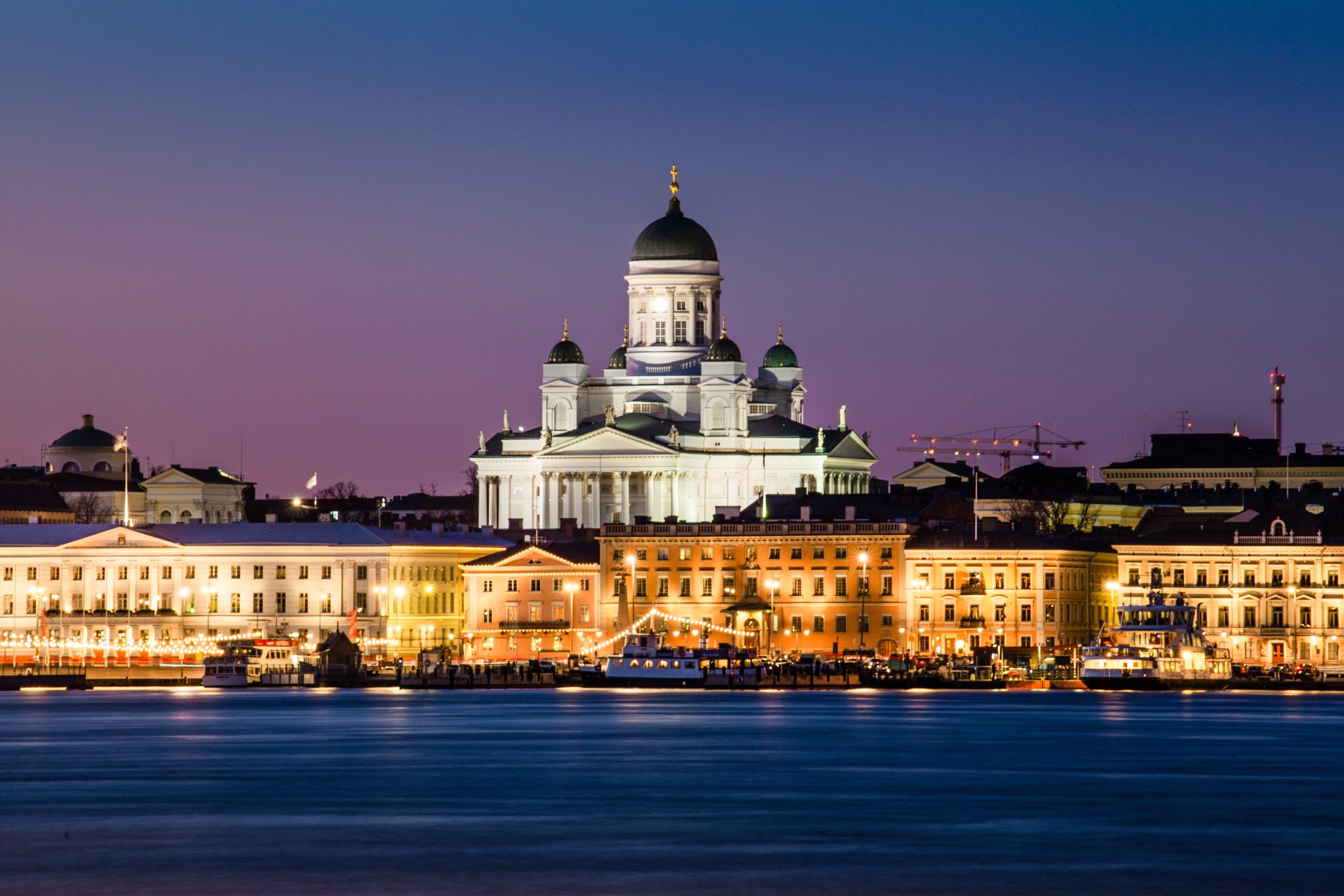
Helsinki is a hub of design and architecture, boasting iconic landmarks, modern buildings, and innovative urban planning. Residents can appreciate the city’s aesthetic appeal and the blend of tradition and modernity.
5. Public Transportation:
Helsinki has an efficient and well-connected public transportation system, including buses, trams, and a metro. Commuting within the city and its surrounding areas is convenient, making it easy to navigate without a car.
6. Safety and Low Crime Rates:
Finland is consistently ranked as one of the safest countries in the world, and Helsinki reflects this reputation. Residents can enjoy a sense of security, with low crime rates and a peaceful environment.
7. Cultural Offerings:
Helsinki offers a vibrant cultural scene, with numerous museums, art galleries, theaters, and music venues. Residents can enjoy a wide range of cultural events, festivals, and exhibitions throughout the year.
8. Nature and Green Spaces:
Despite being a capital city, Helsinki is surrounded by nature. Residents can explore the beautiful archipelago, parks, and forests, providing ample opportunities for outdoor activities and a connection with nature.
9. Strong Work-Life Balance:
Finland prioritizes work-life balance, and Helsinki is no exception. The city’s efficient work culture, flexible work arrangements, and support for family life contribute to a healthy balance between work and personal life.
10. Well-Functioning Society:
Helsinki is known for its well-functioning public services, including healthcare, social welfare, and infrastructure. The city’s commitment to equality, accessibility, and sustainability creates a cohesive and inclusive society.
Cons:
1. High Cost of Living:
One of the main drawbacks of living in Helsinki is the relatively high cost of living. Housing prices, groceries, and everyday expenses can be higher compared to other cities, which may impact individuals on a tight budget.
2. Cold and Dark Winters:
Helsinki experiences long, cold winters with limited daylight hours. The darkness and extreme temperatures during this season may be challenging for individuals who are not accustomed to such conditions.
3. Language Barrier:
Finnish is the primary language spoken in Helsinki, and while many residents speak English, non-Finnish speakers may encounter challenges in certain situations, such as dealing with official documents or local services.
4. Limited Job Opportunities:
Helsinki’s job market can be competitive, particularly for non-Finnish speakers or individuals seeking positions in specific industries. Finding suitable employment may require persistence and adaptation to the local job market.
5. Social Reservedness:
Finnish culture tends to be reserved and introverted, which may pose challenges for individuals who prefer a more extroverted and outgoing social environment. Building friendships and social connections may require more effort.
6. Limited Nightlife:
Compared to some other European capitals, Helsinki’s nightlife scene may be relatively quiet. While the city has its share of bars and clubs, the options may be limited for those seeking a bustling and vibrant nightlife.
7. Seasonal Affective Disorder (SAD):
The long, dark winters in Helsinki can contribute to Seasonal Affective Disorder (SAD), a condition characterized by low mood and fatigue. It’s important for residents to take steps to mitigate the effects of SAD, such as light therapy and self-care practices.
8. Limited Diversity:
Helsinki lacks the same level of cultural diversity found in some other major cities. Individuals seeking a multicultural environment with a wide range of international communities may find Helsinki comparatively homogenous.
9. Distance to Other European Cities:
Helsinki’s location in the northernmost part of Europe means that travel to other European cities may require longer flights and higher travel expenses. Those who frequently travel or desire easy access to other European destinations should consider the logistical aspects.
10. Limited Summer Duration:
While Helsinki enjoys beautiful summers, the season is relatively short compared to the long, cold winters. Residents should make the most of the summer months, as outdoor activities and events are often centered around this time.
Conclusion:
Living in Helsinki offers numerous advantages, including an excellent quality of life, a strong education system, and a focus on well-being. However, individuals should consider factors such as the high cost of living, cold winters, and limited job opportunities. By carefully weighing the pros and cons, individuals can make an informed decision about whether Helsinki is the right place for them to call home.