Pros And Cons Of Living in Melbourne, Australia
Introduction:
Melbourne, the vibrant coastal capital of the Australian state of Victoria, is renowned for its arts scene, multiculturalism, and coffee culture. If you’re considering making Melbourne your home, it’s important to understand the advantages and disadvantages of living in this diverse city. In this blog post, we will explore 10 pros and 10 cons of residing in Melbourne, providing valuable insights for individuals contemplating a move.
Pros:
1. Cultural Diversity:
Melbourne is known for its multiculturalism, with a rich blend of cultures and communities. Residents can experience a variety of international cuisines, cultural festivals, and a welcoming atmosphere that celebrates diversity.
2. Arts and Culture:
Melbourne boasts a thriving arts and culture scene, with numerous galleries, museums, and theaters. The city hosts renowned festivals such as the Melbourne International Comedy Festival and the Melbourne International Film Festival, offering residents a wide range of cultural experiences.
3. Education Opportunities:
Melbourne is home to prestigious educational institutions, including globally recognized universities and schools. The city’s emphasis on education provides residents with access to quality learning and research opportunities.
4. Sports Capital:
Melbourne is often referred to as the sports capital of Australia. Residents can immerse themselves in a passionate sports culture, with a particular focus on Australian Rules Football, cricket, tennis, and horse racing.
5. Coffee and Food Culture:
Melbourne is renowned for its coffee culture, with a plethora of specialty coffee shops and cafes throughout the city. The food scene is equally impressive, with a wide range of culinary options, from trendy eateries to international cuisine.
6. Public Transportation:
Melbourne offers an extensive public transportation network, including trains, trams, and buses. The well-connected system makes commuting within the city and its surrounding areas convenient and accessible.
7. Green Spaces and Parks:
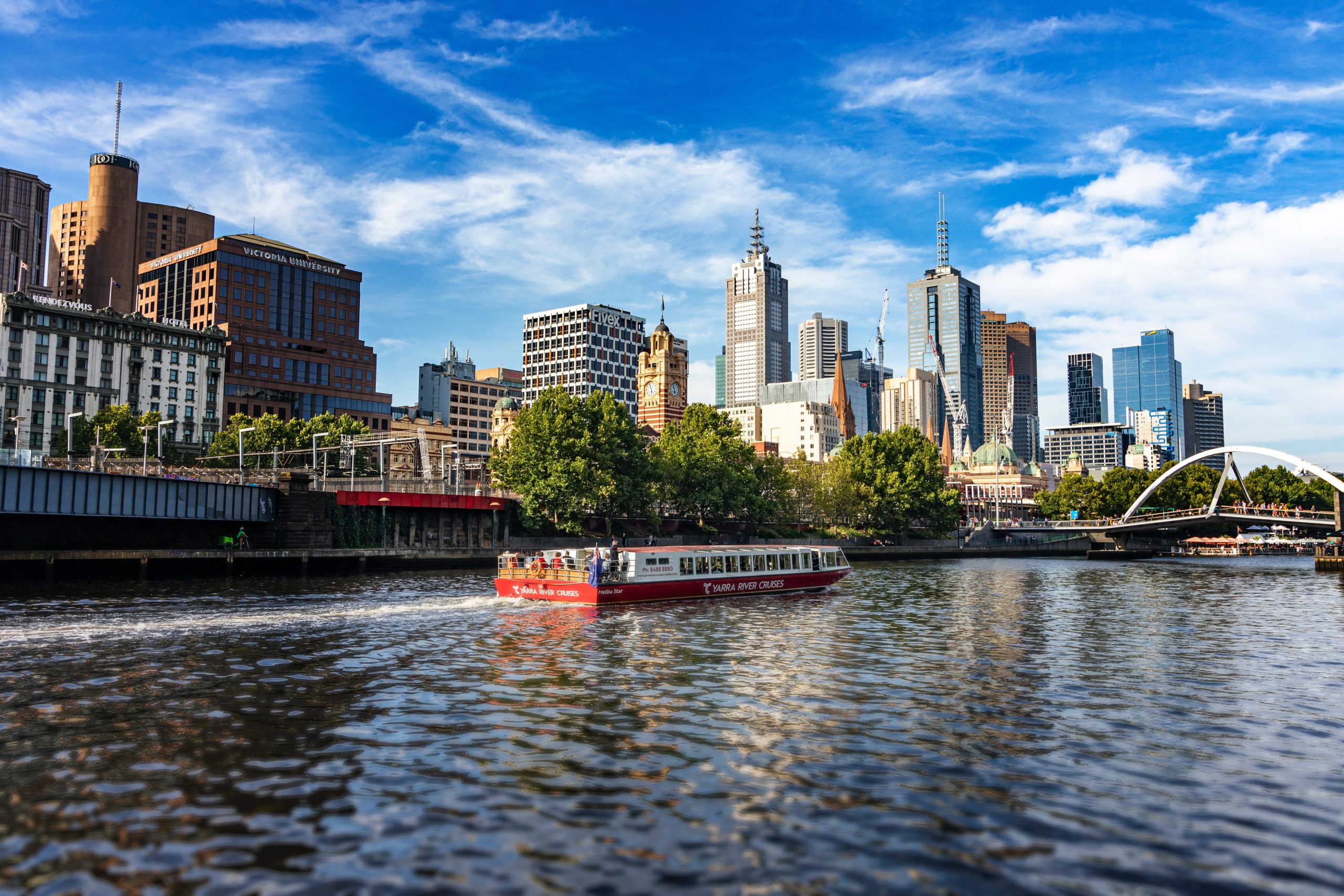
Melbourne is known for its beautiful parks and gardens, providing residents with ample opportunities for outdoor activities and relaxation. Places like the Royal Botanic Gardens and Yarra River offer scenic spots to unwind and connect with nature.
8. Safety and Livability:
Melbourne consistently ranks highly in global livability indexes, thanks to its low crime rates, stable economy, and well-planned infrastructure. The city’s commitment to safety and livability ensures a comfortable and secure environment for residents.
9. Career Opportunities:
Melbourne has a diverse and thriving job market across various industries, including finance, technology, healthcare, and creative sectors. The city offers ample career opportunities and a favorable environment for professional growth.
10. Festivals and Events:
Melbourne hosts a plethora of festivals and events throughout the year, catering to different interests and preferences. From music festivals and food events to cultural celebrations, residents can always find something exciting happening in the city.
Cons:
1. Fluctuating Weather:
Melbourne’s weather can be unpredictable, with frequent changes throughout the day. It’s not uncommon to experience “four seasons in one day,” which can be challenging for individuals who prefer consistent weather patterns.
2. High Cost of Living:
One of the main drawbacks of living in Melbourne is the high cost of living. Housing prices, rental rates, and daily expenses can be relatively expensive, particularly in sought-after areas closer to the city center.
3. Traffic Congestion:
Like many major cities, Melbourne experiences traffic congestion, especially during peak hours. Commuting within the city and its suburbs can be time-consuming, and finding parking can be a challenge.
4. Competitive Job Market:
While Melbourne offers abundant job opportunities, the market can be highly competitive, particularly in certain industries. Finding employment may require persistence, networking, and honing relevant skills.
5. Limited Water Resources:
Melbourne faces periodic water shortages due to its reliance on rainwater and limited natural water resources. Water restrictions and conservation efforts may be in place during dry periods.
6. Urban Sprawl:
Melbourne’s urban sprawl can result in longer commutes for individuals living in the outer suburbs. The distance from amenities and the city center may be a consideration for those seeking a more central location.
7. Crowded Public Transport:
During peak times, Melbourne’s public transportation system can become crowded, especially on the popular tram and train lines. This can make commuting less comfortable, particularly for those who rely heavily on public transport.
8. Insect and Allergen Issues:
Melbourne’s warmer months can bring about insect issues such as flies and mosquitoes. Additionally, certain areas may have higher pollen levels, which can affect individuals with allergies.
9. Changing Neighborhood Dynamics:
Gentrification can impact certain neighborhoods, leading to rising housing prices and changing demographics. This may result in the displacement of long-time residents and a shift in the character of the area.
10. Distance from Other Australian Cities:
Melbourne is geographically distant from other major Australian cities, which can make travel between them more time-consuming and costly compared to living in a more centrally located city.
Conclusion:
Living in Melbourne offers a vibrant cultural scene, diverse communities, and a high standard of living. However, individuals should consider factors such as the high cost of living, fluctuating weather, and traffic congestion. By carefully weighing the pros and cons, individuals can make an informed decision about whether Melbourne is the right place for them to call home.