Pros And Cons Of Living in Munich, Germany
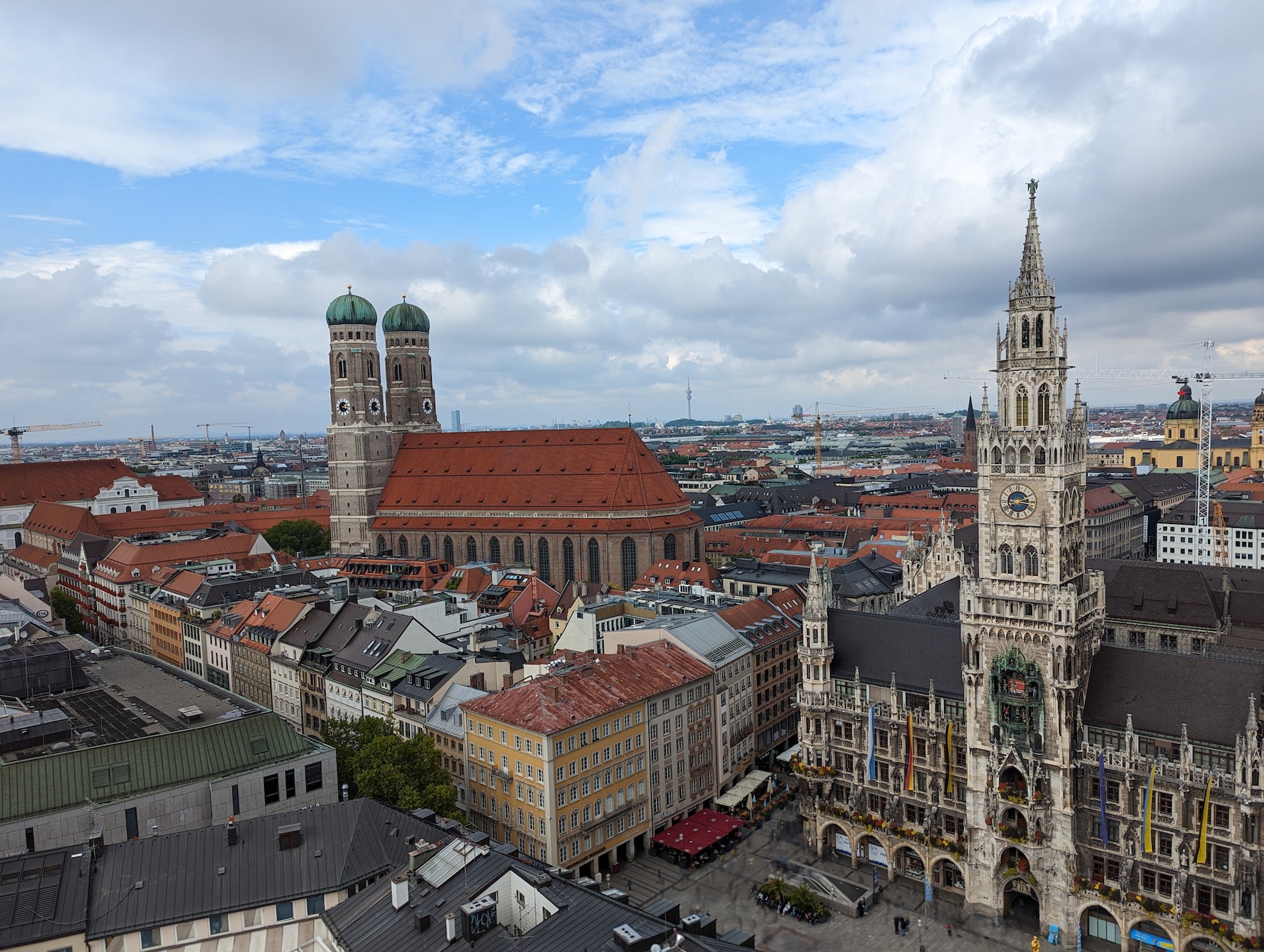
Introduction:
Munich, the capital of Bavaria in Germany, is known for its rich history, cultural heritage, and thriving economy. If you’re considering making Munich your home, it’s essential to understand the advantages and disadvantages of living in this vibrant city. In this blog post, we will explore 10 pros and 10 cons of residing in Munich, providing valuable insights for individuals contemplating a move.
Pros:
1. Strong Economy:
Munich is one of the economic powerhouses of Germany, with a robust job market and a diverse range of industries. The city offers excellent employment opportunities, particularly in sectors such as technology, automotive, and finance.
2. High Standard of Living:
Munich consistently ranks high for its quality of life, boasting a high standard of living, excellent healthcare, and well-maintained infrastructure. Residents can enjoy a comfortable and safe environment with access to quality services.
3. Cultural Heritage and Festivals:
Munich is steeped in history and offers a rich cultural heritage. The city hosts world-famous events like Oktoberfest and boasts numerous museums, art galleries, and historical landmarks, providing residents with ample cultural experiences.
4. Education and Research:
Munich is home to prestigious universities, research institutions, and technical colleges. The city’s emphasis on education and research contributes to a thriving academic community, making it an ideal place for students and scholars.
5. Outdoor Recreation:
Munich is surrounded by beautiful natural landscapes, including lakes, mountains, and parks. Residents can partake in various outdoor activities such as hiking, cycling, skiing, and enjoying the serene beauty of Bavaria.
6. Efficient Public Transportation:
Munich’s public transportation system is well-developed, consisting of buses, trams, and an extensive subway network. Commuting within the city and its surroundings is convenient, allowing residents to navigate easily without relying on a car.
7. Access to Cultural Events:
Munich offers a vibrant cultural scene with theaters, opera houses, music venues, and art exhibitions. Residents can immerse themselves in a variety of cultural events, ranging from classical music concerts to contemporary theater performances.
8. Beer and Bavarian Cuisine:
Munich is famous for its beer gardens and traditional Bavarian cuisine. Residents can indulge in hearty dishes such as pretzels, sausages, and sauerkraut while enjoying a refreshing pint of locally brewed beer.
9. Proximity to European Destinations:
Munich’s central location in Europe provides easy access to other European cities and destinations. Residents can take advantage of affordable flights and efficient train connections to explore neighboring countries during their leisure time.
10. Clean and Safe Environment:
Munich is known for its cleanliness and safety. The city takes pride in its well-maintained streets, clean public spaces, and low crime rates, contributing to a sense of security and comfort for residents.
Cons:
1. High Cost of Living:
One of the main drawbacks of living in Munich is the high cost of living. Housing prices, rental rates, and daily expenses can be relatively expensive compared to other German cities, requiring careful budgeting for some individuals.
2. Competitive Housing Market:
Finding affordable housing in Munich can be challenging due to high demand and limited availability. The competitive housing market often leads to long waiting lists and higher rental prices, particularly in popular neighborhoods.
3. Language Barrier:
German is the primary language spoken in Munich, and while many residents speak English, non-German speakers may encounter challenges in certain situations, such as dealing with official documents or local services.
4. Limited Job Opportunities for Non-German Speakers:
While Munich offers a strong job market, many positions require fluency in the German language. Non-German speakers may face limitations when seeking employment opportunities, particularly in certain industries and professional roles.
5. Limited Nightlife Options:
Compared to other major cities, Munich’s nightlife scene may be relatively subdued. While the city has a range of bars, pubs, and clubs, the options may be limited for those seeking a vibrant and bustling nightlife.
6. Strict Retail Regulations:
Munich has strict retail regulations, particularly with regard to store opening hours and Sunday closures. This can sometimes be inconvenient for individuals who prefer flexible shopping hours or have limited availability during weekdays.
7. Crowded Tourist Areas:
Munich attracts a significant number of tourists, particularly during peak seasons and major events. Some residents may find the crowded tourist areas and increased foot traffic in popular locations bothersome.
8. Limited Cultural Diversity:
Compared to other cosmopolitan cities, Munich has a relatively homogenous population. Individuals seeking a more diverse cultural environment with a wide range of international communities may find Munich less multicultural.
9. Cold Winters:
Munich experiences cold winters, with temperatures dropping below freezing and occasional snowfall. The chilly weather may not be ideal for individuals who prefer milder climates or are unaccustomed to cold winters.
10. Bureaucratic Processes:
Like in many other German cities, bureaucratic processes in Munich can be time-consuming and complex. Dealing with paperwork, visa applications, or administrative tasks may require patience and a thorough understanding of the system.
Conclusion:
Living in Munich offers a combination of economic opportunities, cultural heritage, and outdoor beauty. However, individuals should consider factors such as the high cost of living, the competitive housing market, and the potential language barrier. By carefully weighing the pros and cons, individuals can make an informed decision about whether Munich is the right place for them to call home.